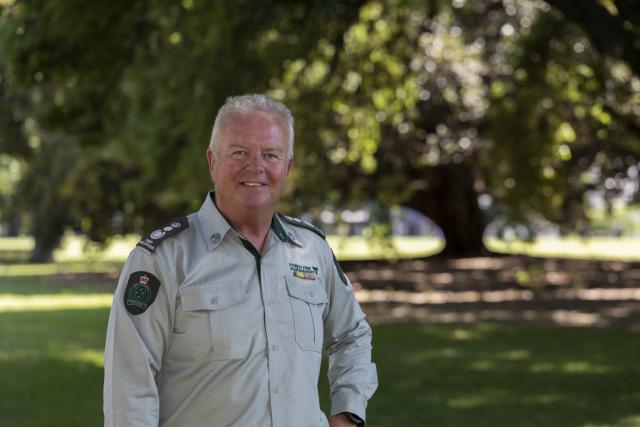
Happy New Year, Victoria. I hope your 2026 is one full of hope, happiness and good health.
Personally? I am thrilled by a summer that has not yet delivered the harsh conditions we might have anticipated; that we have remained largely unscathed by the threat of bushfires; and that our people have had some chance for downtime as we reset for another busy year.
But I am also cautious about what might lie ahead and want to urge caution and continued vigilance in these ‘lazy, hazy, crazy’ days – these latter months of summer.
How you can prepare:
Bushfire management is a shared responsibility. It is one we (FFMVic) share with other agencies (such as CFA), but it is also one we share with you. There are some simple steps you can take to help reduce your risk from bushfire.
Visit the CFA website to help you get started on a Bushfire Plan so you know what you will do in case of fire
Download and get to know the VicEmergency app – then set up ‘watch zones’ and turn on notifications to be kept up to date wherever you are
Get to know the Australian Fire Danger Ratings System – and work out what fire danger rating will trigger your Bushfire Plan
Plan your travel – head to Explore Outdoors to help you stay safe when visiting state forests
Never leave a campfire unattended – if they are cool to touch, they are safe to leave. And always put your campfires out with water, not soil.
Understand our Essential Water Replacement policy. In a bushfire, FFMVic and CFA may take water from private land to help us fight fires. You can request any essential water be replaced. Check out the Public Land Recovery page on the FFMVic website to see our policy and download the form if you need it.
How we are prepared
Of course, I want you to know we are prepared too; that FFMVic works year-round to ensure we are well positioned to protect communities, assets and the environment from the threat of bushfire.
We have more than 1800 personnel on the frontline, including year-round and seasonal firefighters, fire lookout observers and support officers, together with hundreds of emergency and incident management staff, firefighting equipment (including hundreds of ultralight and heavy tankers, and more than 1000 additional plant and trucks, including dozers, tractors, graders, loaders, forklifts and excavators); as well as support from the state’s aerial firefighting fleet, comprising a mix of firebombing aircraft, air supervision and information-gathering aircraft.
Our program of bushfire risk reduction includes planned burns, mowing, mulching, slashing and spraying – ‘fuel management’. Fuel management reduces the amount of vegetation (e.g. grass, leaves, bark, shrubs and small fallen branches) available to ‘fuel’ a fire, thereby reducing the likely speed or intensity of a bushfire. These qualities can help fire crews to respond to and put out fires while they are still small – before they can impact on communities, assets, infrastructure and the environment.
But fuel management is not our whole program to reduce risk. We work closely with our emergency sector partners to reduce risk in many ways. From preventing new ignitions through fire bans and campfire controls, early detection of bushfires from fire towers and aircraft, to aggressive first attack using aircraft and ground crews and emergency warning and information systems.
If you are curious about more of this work, the Office of Bushfire Risk Management last month published Victoria’s Bushfire Management Snapshot. The snapshot reports on the broad range of activities our sector undertakes to help reduce bushfire risk. You can find it online at vic.gov.au/victorias-bushfire-management-snapshot.
Whatever this season holds, I wish you all the best for it and thank you for your continued support.
Chris Hardman AFSM
Chief Fire Officer
Forest Fire Management Victoria