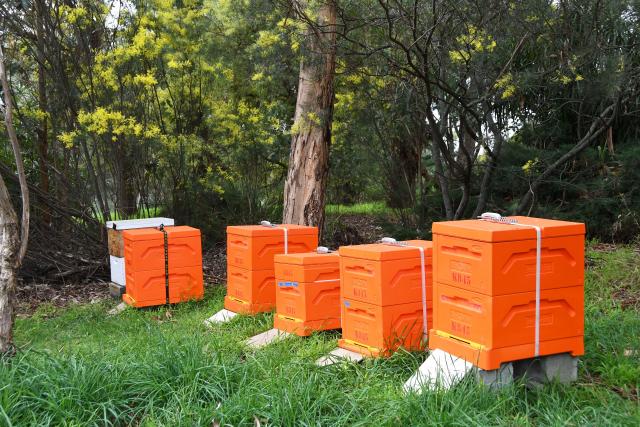
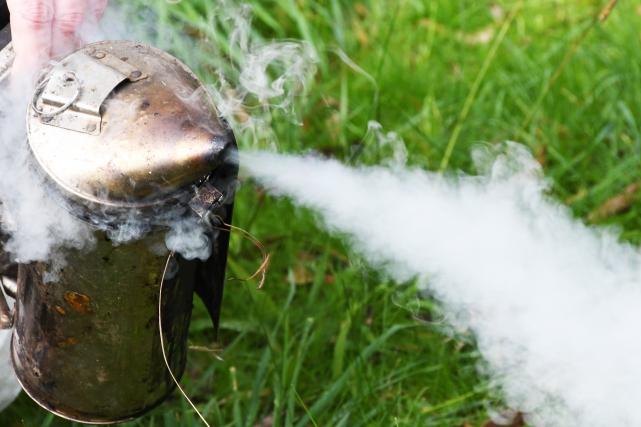
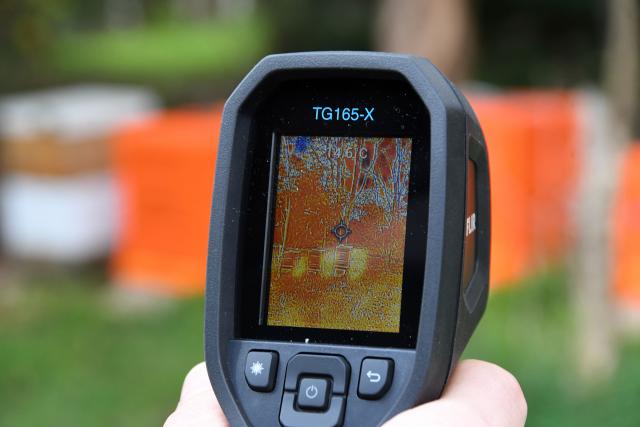
A handful of orange plastic boxes sit on a property in Belgrave South.
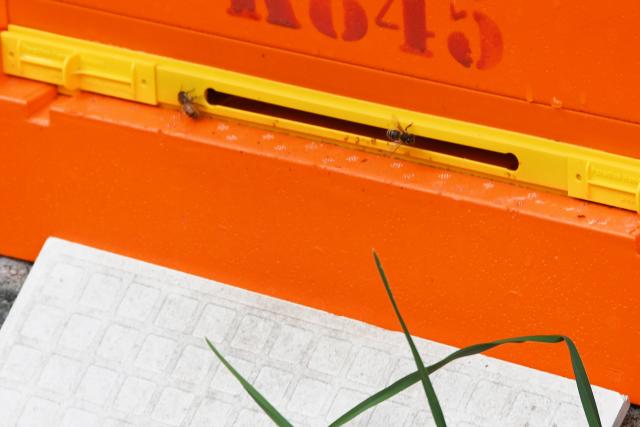
Unknown to the naked eye, they house a rich and complex ecosystem.
Move a little closer and you can hear a distinct buzzing.
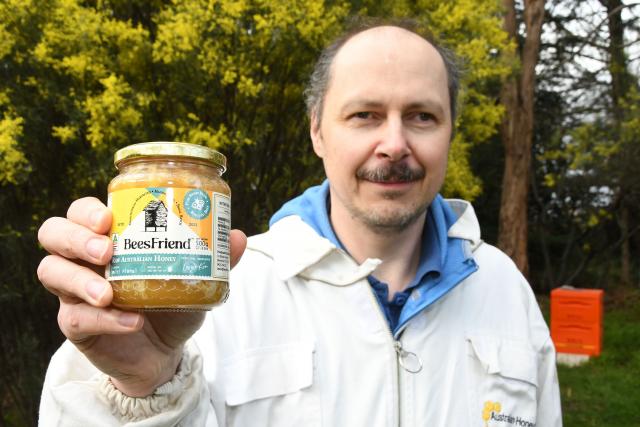
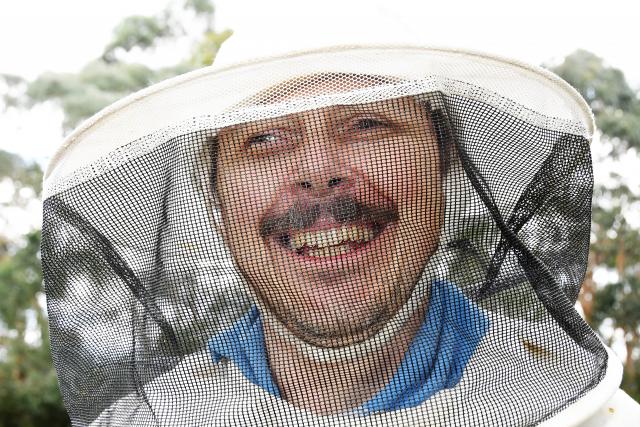
The boxes are among 125 bee hives spread across 11 sites, including Berwick, Harkaway, Beaconsfield, Narre Warren North and Cardinia, as part of Berwick beekeeper Laszlo Kun.
Operating as Beesfriend since 2020, he has been juggling his work after clocking off from his IT job.
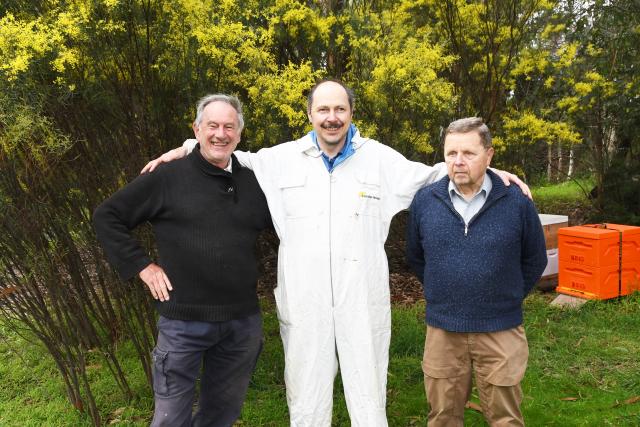
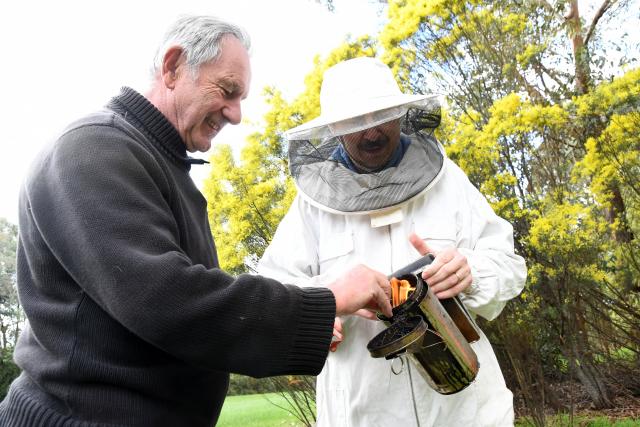
Former beekeeper Dietmar Klimkeit has acted as a mentor and has passed on the torch to Mr Kun.
Mr Kun said he found the ways in which bees work as “quite fascinating”.
“I find it interesting because we rely on bees,” he said.
“It is a very calm and relaxing activity for me.
“Bees are like my extended family.”
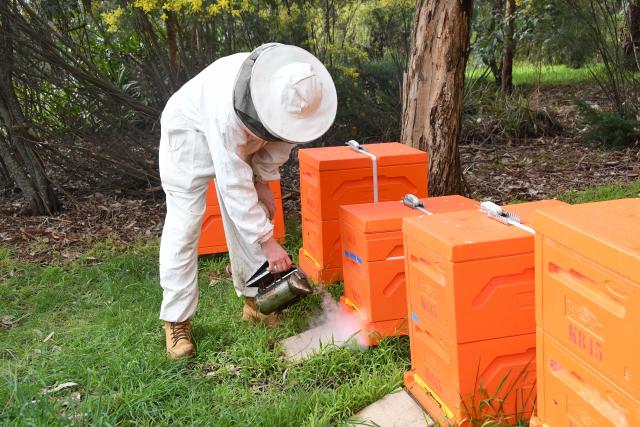
Mr Kun often operates alone and in the middle of the night, visiting homes and other buildings to remove swarms and nests as swarming season runs from September to January.
Bringing along his home-made ‘bee vacuum’, he often works meticulously to remove bees slowly from the property.
Mr Kun said a bee removal can often be a delicate operation.
“Every bee removal is different,” he said.
While he is currently selling honey and other products, Mr Kun said the goal of his endeavours is not for profit but for returning the favour to the community which help him save bee populations from dying.
“There are some people doing it for money,” he said.
“This is my way of giving back.”
Mr Kun said people wanting to remove bee swarms and nests should not call a pest inspector, as they would kill them before trying to relocate the bees.
“The best approach would be to contact a local bee keeper,” he said.
“Don’t try to do this on your own.
“That can be a life-threatening problem.”
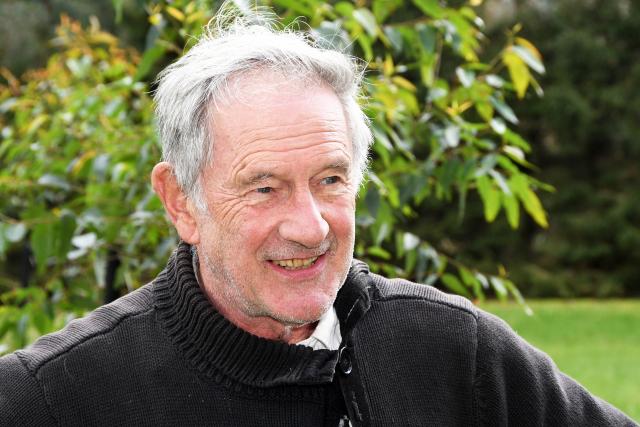
Retired doctor Johannes Wenzel has been living on his property in Belgrave South for about 40 years with his wife Jeanette.
The pair have practiced permaculture by growing fruit and vegetables in a self-sufficient and sustainable way.
Dr Wenzel said when Mr Kun approached him to house some bee hives, the decision was a no-brainer.
“(The bees) helped to pollinated all the food,” he said.
The pair’s 24-acre property boasts a wide array of fruits, including raspberries, blueberries, strawberries and blackberries, as well as plants and flowers including sage and lavender.
“I don’t believe in artificial additives or spraying insecticides,” Dr Wenzel said.
“I think it’s very good to keep healthy.”
Another issue concerning beekeepers across the country is the spread of the varroa mite, an invasive parasite deadly to bees which was first detected in New South Wales in June 2022 and has been detected in central west New South Wales earlier this month.
Varroa Mites lay one male and between two to 16 female eggs in each cell, meaning numbers can spread and escalate quickly.
The Department of Primary Industries has euthanised 23 hives at Gumble which tested positive to varroa mite after tracing their movement from Sackville North in Sydney.
Mr Kun said more efforts should be made in managing and protecting existing populations, rather than eradication and relocation.
He said governments should not move towards using in pesticides such as Fipronil.
“You are killing the native bees,” he said.
“Killing bees is not the solution.
“We need to have a plan B or C.”
Mr Kun said the first step to managing bees and varroa mite was ensuring people knew the facts around both chemical and non-chemical treatments.
“We have to educate people,” he said.
“It should be helpful for the bees, not harmful.
“The government has to solve this and solve this fast.”
Mr Kun said he has started discussions with local schools and aims to reach out to the Stephanie Alexander Kitchen Garden Foundation about introducing bee programs to schools.
“My plan would be having a bee hive in every school,” he said.
Mr Klimkeit said his only hope was that small-scale and environmentally-conscious efforts like Mr Kun’s do not come too late.
“Frogs and bees are the heartbeat of our environment,” he said.
“If we lose them, then we’re lost.”
For more information, visit aussieapiaristsonline.net or beesfriend.com.au